Shades5 min read
How to find your foundation shade when you cannot swatch it
Save the base you already wear in Beauty Board, then shortlist new shades against that record instead of guessing from a screen.
How do you find your foundation shade at home?
Start from a base you already own that matches. Save it in Beauty Board with the brand, product name, and full shade code. Then shortlist new shades in the same depth and undertone family, reading the brand's shade code rather than the shade name. Check the shortlist in daylight when it arrives and save the exact name of what worked.
That is the whole method. The rest of this piece explains each step properly, because every step has a small trap in it.
Why online shade matching goes wrong
A screen lies in three ways at once. Your phone brightens and cools images, the brand's swatch was photographed under studio light on someone else's arm, and the shade name tells you almost nothing. "Natural" means something different at every brand, and "medium" covers a range so wide it is barely a description.
So people buy the name that sounds right and hope. Sometimes it works. Often the bottle arrives a full step too deep or visibly too pink, and it joins the drawer of almost-right foundations that cost real money.
The fix is not better guessing, and Beauty Board does not match shades for you. It is refusing to guess from the screen alone and building yourself a saved reference point instead.
Use the base you already own as your reference point
The most useful shade reference you own is a foundation, tint, or concealer that already matches you. Not the brand's chart. The bottle in your drawer.
Find it and save three things in Beauty Board: the brand, the exact product name, and the full shade name including any number or letter code. Paste the shop link if you still have it, or add it by hand with a photo of the bottle. That triple is your anchor. When a new brand's chart offers a shade finder or a comparison, the anchor is what you feed it. When you ask a friend or a shop assistant, the anchor is what you describe.
If you own nothing that matches, the closest almost-right shade still helps, as long as you note which way it misses. "Too dark by half a step, slightly too yellow" is genuinely useful information, and it belongs on the product record. "Medium" is not.
Undertone is the faint colour underneath your skin's surface. Depth is how light or dark you are. Most online mistakes are undertone mistakes, not depth mistakes. Write your best reading (warm, cool, or neutral) on the foundation record so you do not redo this thinking each time. Two simple checks agreeing is enough to shop with: veins that look greenish usually sit with warm undertones, bluish or purple with cool, and gold jewellery flattering you more than silver points warm.
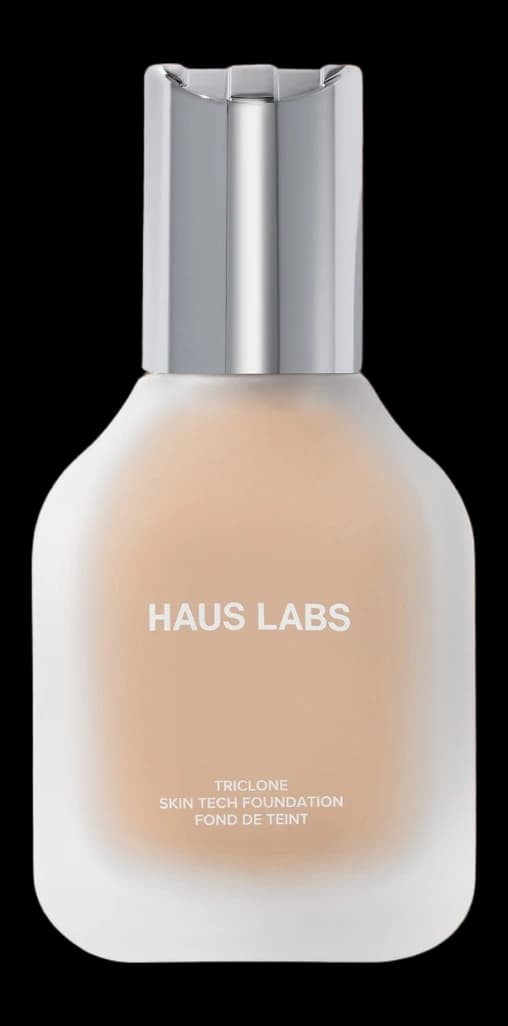
Haus Labs
Triclone Skin Tech Foundation
230 Light Medium Cool
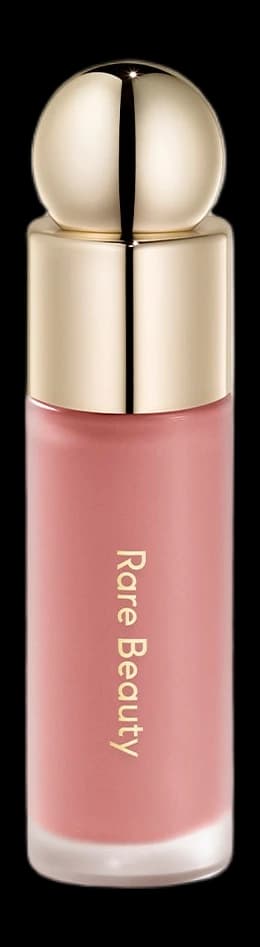
Rare Beauty
Soft Pinch Liquid Blush
Hope
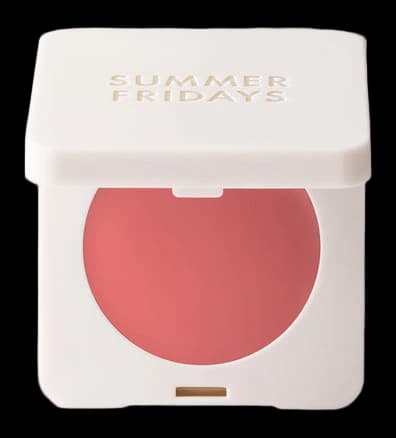
Summer Fridays
Blush Butter Balm
Soft Strawberry
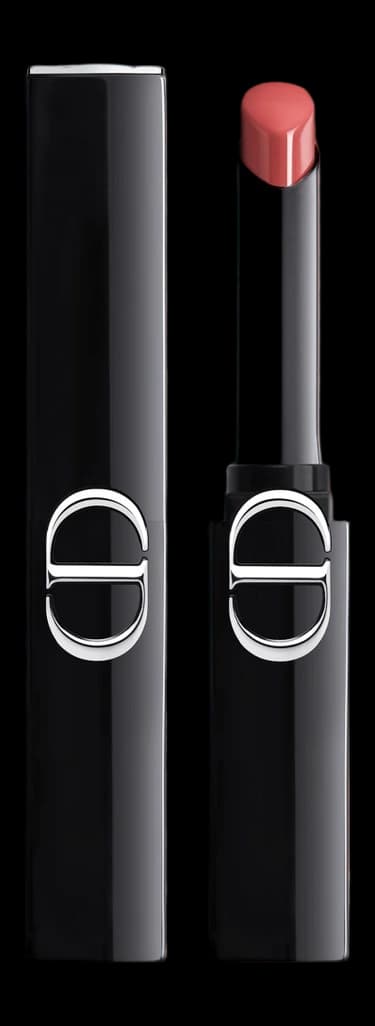
Dior
Rouge Dior On Stage
425 Wild Rosewood
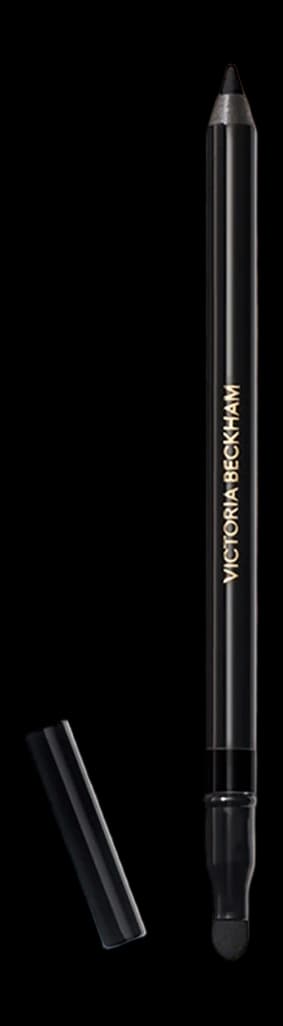
Victoria Beckham Beauty
Satin Kajal Liner
Read the shade code, not the shade name
Shade names are marketing. Shade codes carry the information. Most brands number their depths lightest to darkest and mark undertone with a letter, so a code like 230 with a cool marker tells you depth and family at once, while a name like Warm Honey tells you how someone in marketing felt that day.
When you shortlist, compare codes across the depth you already wear. If your saved anchor is the third-lightest shade in a cool family, start at the third-lightest cool option in the new brand. Stay inside the same undertone family unless you have a reason to move. Depth transfers between brands far more reliably than names do.
Paste each shortlisted shade into Beauty Board and put them on a board next to the anchor. You are not asking the screen to match you. You are asking your own records to sit still long enough to compare.
Be careful with one thing: some brands run light or deep overall, so the same number sits differently. Two or three reviews mentioning "runs light" are worth more than the chart. Search the product name plus "shade" and read what buyers say, not what the brand says.
Check it in daylight, and keep the record
When the bottle arrives, swatch a stripe along the jaw and walk to a window. Indoor light flatters everything. Daylight shows the edge where foundation meets skin, and that edge disappearing is the whole test. Give it ten minutes too, since some formulas darken slightly as they settle.
If it matches, confirm the exact shade on the Beauty Board record immediately: brand, product, full shade name and code, status Using. This is the step everyone skips, and it is why the same person redoes this research every year. A shade you cannot recall is a shade you will rebuy wrong.
Keeping your shades with their photos is exactly what a catalogue is for. Compare shades you already own covers how to line them up side by side so the next purchase starts from evidence instead of memory, and keeping every beauty product you own in one place is the starting method if your current shades live in screenshots.
What to do when it is wrong
First, work out which way it misses before you reorder. Too dark, too light, too pink, too yellow, too grey: each points at a different correction, and reordering blind doubles the cost of the mistake. Write that miss on the record. A shade that is right in depth but wrong in undertone needs a family change, not a step up or down.
Second, do not throw the bottle straight in a drawer. A foundation one step too deep is often the right summer shade, and one slightly too light works as a brightening mix or under the eyes. Note what it is good for on the record. If it is unwearable, pass it on quickly while it is still fresh rather than letting it expire in the drawer, which is the kindest version of when to throw out makeup and skincare.
Nobody gets every online shade right. The people who seem to just keep better records.
Written by Beauty Board
Notes on saving and curating beauty from the Beauty Board team.