Shades4 min read
Compare shades you already own
Save each shade as a Beauty Board record, then line the packshots up on a board so you can compare without another counter trip.
Nobody can hold five shade names in their head across three brands. The blush that looked perfect in the shop, the lipstick that is nearly the same as the one you own, the foundation that might be a step too warm: each is easy to judge on its own and almost impossible to compare from memory. The answer is not a better memory. It is saving each shade as a product in Beauty Board, with the shade name next to the photo, so the comparison happens on a board instead of in your head.
The tester you cannot take home
Counters let you swatch freely and remember nothing. You leave with a wrist full of stripes and a vague feeling about the third one, and by the time you are ready to buy, the feeling has faded and the stripes have washed off.
Take a photo of the swatch with the shade name visible if you need a reminder on the way home. Then save the product properly the same day: paste the shop link into Beauty Board, or add it by hand with brand, full product name, and exact shade. A tester strip is evidence that lasts hours. A record lasts until you need it.
This applies to samples too. A sample pot with no label is mystery paste within a week. Add it by hand the day it arrives, with a photo of the pot, or it will join the drawer of unidentified beiges.
Name the shade, keep the photo
Every shade record needs the same three things. The full shade name including any number, because names repeat across brands and numbers usually do not. A photo of the actual product, because the brand's swatch image and the real bullet are often visibly different. And where you got it, because repurchasing the right one depends on finding it again.
Lip colour is where this pays for itself fastest. A lipstick is a number and a name, and two bullets that look identical in the tube can sit a full step apart on the lip. File both with their packshots, not with a campaign photo of someone else wearing them.
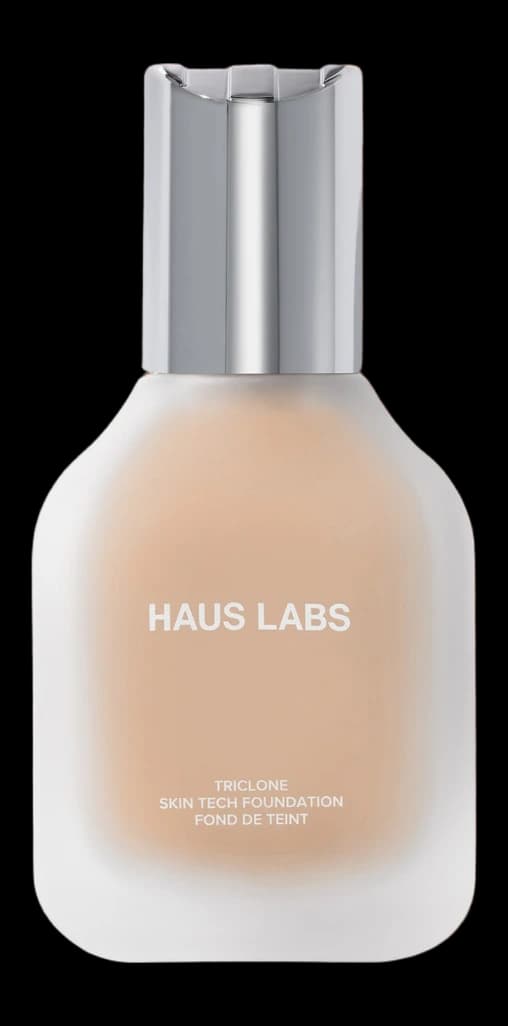
Haus Labs
Triclone Skin Tech Foundation
230 Light Medium Cool
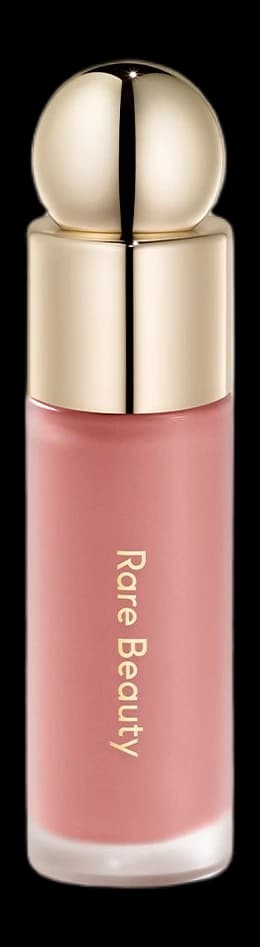
Rare Beauty
Soft Pinch Liquid Blush
Hope
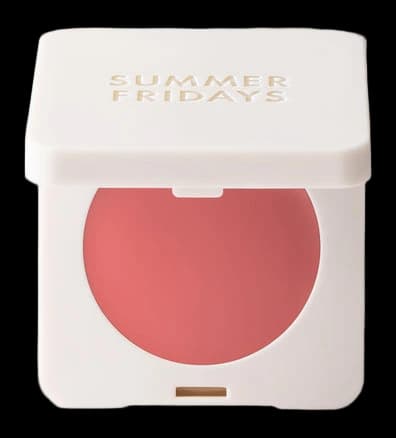
Summer Fridays
Blush Butter Balm
Soft Strawberry
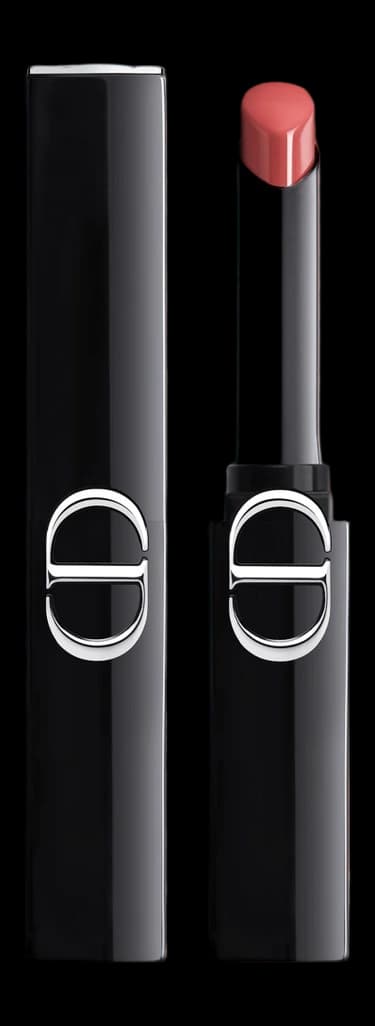
Dior
Rouge Dior On Stage
425 Wild Rosewood
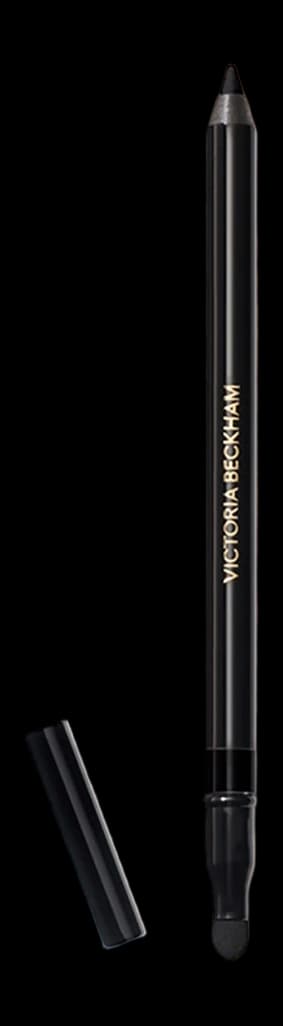
Victoria Beckham Beauty
Satin Kajal Liner
Line them up on a board
Comparison needs everything visible at once. Pull the shades you are choosing between onto one Beauty Board canvas, with their photos and shade names side by side, and the near-duplicates reveal themselves immediately.
This works for decluttering too. Four nude lipsticks in a drawer all feel essential until their packshots sit in a row and two of them are visibly the same idea. The same goes for blushes in the same family and the three foundations bought across two years of guessing. How to declutter a makeup collection without regretting it uses exactly this lineup step before anything gets binned.
A freeform canvas suits visual comparison best, since you can group by family and space things out. A list suits the keep-or-let-go decision, since each product gets its own row with its status. Use whichever matches the question you are asking.
Across brands, not only within one
Within one brand, shade families are designed to sit together and the brand's own chart helps. Across brands, nobody helps you, and that is where most duplicates happen. The new blush is compared against memory of the old one instead of against the old one itself.
So compare across the whole shelf, not inside one brand's range. When you are tempted by a new shade, paste it into Beauty Board, put it on the same board as what you already use, and hold the photos against each other. Half the time the temptation ends there, which is the cheapest money this habit saves. The other half, you buy knowing exactly how the new shade differs, which is how a collection stays varied instead of drifting into six versions of the same pink.
Buy the next one against the ones you have
Make this the rule: no new shade without checking the board. It takes thirty seconds and it changes what you buy. Shades you would have duplicated get skipped. Gaps you actually have, the cooler red, the deeper neutral, become visible and shoppable.
When you do buy, paste the new shade the day it arrives so it joins the same board with its full name. That is how the reference chart stays current, and it is also how finding your foundation shade online gets easier next time: your anchor shades are saved records instead of half remembered.
Start with the three shades you reach for most. Save them, name them exactly, and put them side by side. Everything after that is maintenance.
Written by Beauty Board
Notes on saving and curating beauty from the Beauty Board team.