Making of4 min read
Building a home for things you love
Why Beauty Board exists: one private place to save and curate the beauty you own, use, and still want, instead of another feed deciding what you should see next.
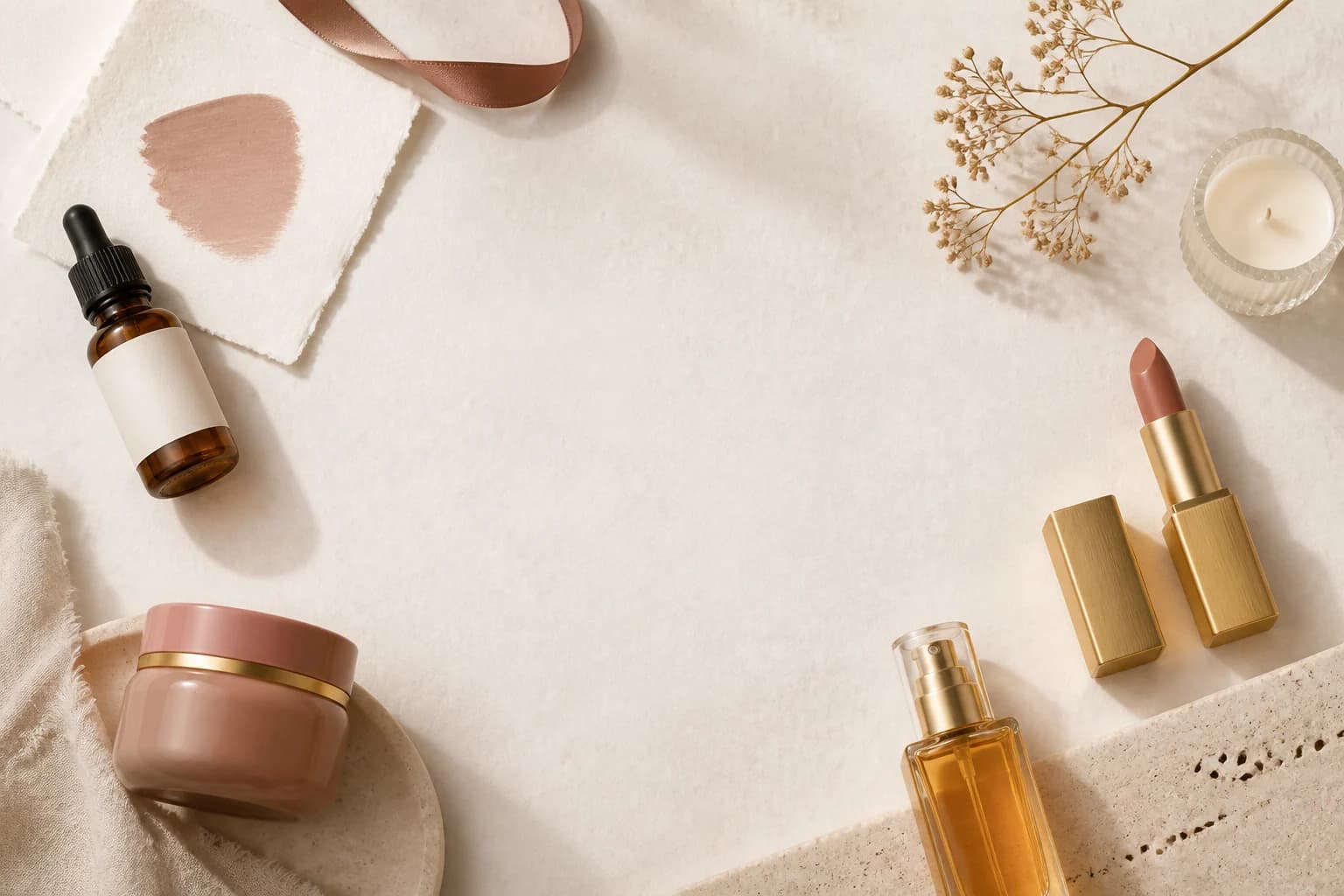
Beauty products live scattered. Screenshots in the camera roll, wishlists inside five different shops, shade names in a notes app next to a dentist appointment, the actual products in drawers you cannot search. Beauty Board exists to give all of that one private home: save each product as a real record, then curate those records into boards, lists, and routines you can actually use. This is the story of why it is built the way it is.
The scattered beauty drawer, but digital
The problem started with a familiar scene. A product worth rebuying, no memory of the shade. A serum recommended by a friend, saved as a screenshot, never found again. A wishlist in one shop that cannot hold products from another. Each sensible in the moment, useless together.
The tools for saving were all built for someone else's job. Retailer wishlists exist to bring you back to the retailer. Pinterest exists to collect inspiration, and as why Pinterest is a weak place to store products you actually buy explains, a pin cannot hold a shade name or a status. Notes apps save fast and search badly. None of them keeps products as records with brands, names, shades, shops, and photos in one searchable place.
A specialist, not a general inspiration board
The deliberate choice was to build for beauty specifically instead of generally. Beauty products have shades and sizes, finishes and formulas, routines and empties and repurchases. A general bookmarking tool treats a foundation like a link. A specialist treats it like a foundation: brand, line, exact shade, size, where it came from, whether you are using it or still wanting it.
That specificity runs through everything. Statuses that match how beauty is actually kept. Routines with morning and evening halves. Wishlists that hold products from every shop at once. The product structure reflects how people think about beauty products, not how browsers think about links.
Save from the shops you already use
Nobody wanted another place demanding manual data entry for every product. So the core loop starts where people already are: the shop page. Paste a product link from Sephora, MECCA, Adore Beauty, or anywhere else, and the details the page makes available come across with a clean cutout photo. Review what it found, correct the shade, put it somewhere. The full walkthrough is in how to save a product from any shop.
Imported information depends on what the shop publishes, so review is part of the design rather than an apology. Uncertain imports are shown as drafts to check, not facts. And products without links (samples, gifts, discontinued loves) get added by hand and sit alongside everything else with no second-class section.
Arrange it your way
Saving was only half the job. The other half is arrangement that suits a beauty collection: boards for looks and ideas, lists for wishlists and routines, a freeform canvas for thinking visually, collections for the edited core. One product lives in several places at once because it is one record viewed different ways, not copies in folders.
The visual side matters deliberately. A collection you enjoy looking at is a collection you maintain. Clean packshots, space around the bottles, boards that look like the shelfie you would actually want. Beauty deserves better than a spreadsheet, even when a spreadsheet would technically work.
A catalogue wants less of your attention, not more
The product is built to be finished with, not to keep you scrolling. There is no feed, no recommendations engine, no discovery surface deciding what you should see next. You shape your own collection, routines, and wishlists. The assistant answers questions about what you own rather than telling you what to buy.
This is a deliberate refusal. Attention-harvesting mechanics would be easy to add and corrosive to the purpose. A catalogue is a tool you open with a question and close with an answer. The success metric is a person finding their shade in seconds, not spending longer in the app.
You decide what is on the board
Privacy follows the same principle. Everything is private by default. Sharing means a view-only link for one board or one list, created deliberately, switched off when the occasion passes, as share a board without sharing your whole collection describes. Guests see that view and nothing else.
What we will not pretend
A few honest boundaries. No verified customer counts or testimonials are claimed anywhere on this site, and none will appear until they are real. No performance claims about imports beyond what shop pages make available. No pretending the product does things it does not: no automatic shade matching, no expiry tracking, no spend analytics. The blog writes around those limits honestly instead of implying features that do not exist.
What is promised is smaller and kept: one personal place for your beauty, capture without busywork, arrangement that suits how you think, and privacy until you say otherwise. If that sounds like the home your products have been missing, start a Beauty Board on the free plan. Paste one link and see how it feels.
Written by Beauty Board
Notes on saving and curating beauty from the Beauty Board team.